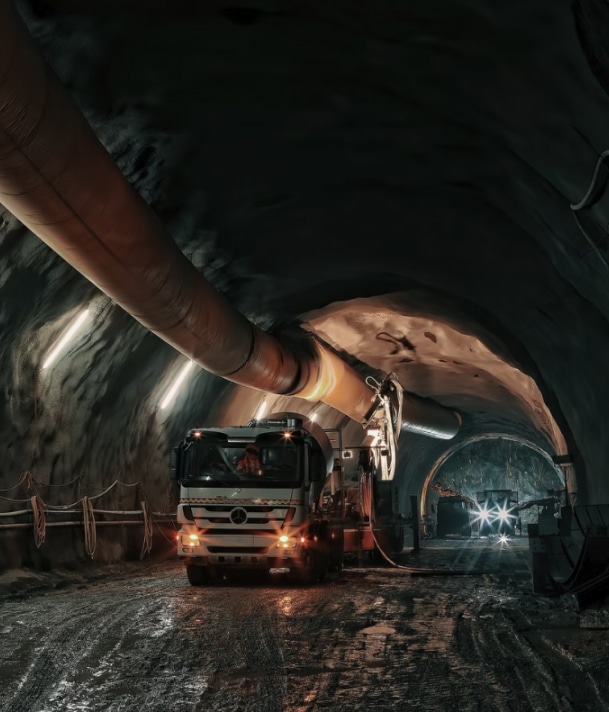
A stair slip in a processing plant, warehouse, mine, or maintenance area is rarely caused by one factor alone. Water, oil, dust, worn paint, mud, steel grating, poor visibility, and rushed foot traffic can combine at the same point of travel. The best anti slip stair solutions address those conditions at the step surface, while making each stair edge easier to see and safer to use shift after shift.
For facility managers and safety teams, the right choice is not simply the most aggressive tread surface. It is the product that matches the contaminant, traffic level, stair construction, cleaning method, and exposure to weather. A tread that performs well on an indoor steel staircase may be the wrong fit for a washdown area or an external access stair exposed to rain and grit.
Why stairs need a site-specific anti-slip solution
Stairs create a more concentrated risk than level walkways. Every step requires a change in elevation, and the leading edge carries much of the load as workers climb, descend, turn, or carry equipment. When the edge is smooth, worn, wet, or obscured by contamination, a small loss of traction can have serious consequences.
Painted surfaces and temporary grip tapes often look adequate when first installed. In demanding workplaces, however, they can wear quickly, lift at edges, trap contamination, or lose their grip after repeated cleaning. Industrial stair protection needs to be mechanically durable and securely fixed, not treated as a short-term visual improvement.
The strongest approach pairs traction with visibility and drainage. A high-grip surface gives footwear a more secure contact point. A contrasting safety strip helps workers identify the tread edge in low light, glare, and visually busy environments. Open or drainage-friendly designs reduce the chance that water, slurry, or debris will remain on the walking surface.
The best anti slip stair solutions by workplace condition
Abrasive-grit treads for firm, high-traction footing
Abrasive-grit stair treads are a practical choice where a highly textured walking surface is needed on solid stair substrates. They are commonly suited to factory stairs, plant rooms, warehouses, loading areas, and external access ways where water, dust, and general industrial dirt are common.
The key advantage is consistent traction across the step. Quality abrasive surfaces are built to resist wear rather than relying on a thin applied coating. They are particularly useful where workers wear safety boots and where stair traffic is frequent throughout the day.
Their limitation is maintenance in greasy settings. If oil or heavy fats are routinely deposited on the stairs, the selected surface must be compatible with the cleaning regime and able to avoid becoming loaded with residue. Aggressive texture alone does not replace housekeeping.
Drainage-ready plates for wet and outdoor stairs
External steel stairs, platforms, catwalks, and access points need a solution that handles rain, mud, and wash-through contamination. Anti-slip plates with formed openings or raised traction patterns can help liquid and loose debris move away from the foot contact area instead of pooling on top.
This style is especially valuable on grated or open-steel infrastructure, including industrial access stairs where drainage is part of the site design. Select a plate profile that is stable under foot, securely mounted to the existing stair, and substantial enough to handle the expected traffic and equipment movement.
Visibility should be treated as part of performance, not as decoration. Yellow safety striping along the leading edge makes the stair geometry more legible, helping workers place their feet accurately during early starts, night work, and shutdown activities.
Heavy-duty treads for oil, grease, and process contamination
Maintenance workshops, food production facilities, automotive areas, and process plants face a different challenge: contamination that reduces grip and can be difficult to remove. These environments require a tread designed for the actual substance on site, whether that is oil, grease, water, detergent, coolant, or a combination.
A suitable heavy-duty tread should maintain a defined slip-resistant surface without degrading under routine exposure or cleaning. It should also be easy for the cleaning team to inspect and maintain. A product with deep features may offer excellent grip, but if those features retain grease and cannot be cleaned effectively, its long-term performance will suffer.
Before specifying a solution, document the contaminants, frequency of exposure, washdown chemicals, and expected cleaning tools. That information is more useful than selecting from a general-purpose catalog description.
High-visibility stair treatments for low-light areas
Poor contrast is a common contributor to stair incidents, particularly in plant rooms, basements, external structures, and areas moving between sunlight and shade. A worker may have adequate grip but still misjudge the tread edge.
High-visibility stair treads combine an anti-slip surface with a clear contrasting front edge. This is a direct control for step-edge recognition and is most effective when the contrast remains visible after exposure to dirt, cleaning, and traffic. It should not be limited to the first and last step. A consistent visual line across the full flight helps workers establish a reliable rhythm when using the stairs.
How to choose the right tread for your stairs
Start with the staircase itself. Concrete, formed steel, checker plate, timber, and grated stairs all require different fixing approaches and may present different drainage issues. Measure tread depth, width, riser condition, edge damage, and any obstacles that could prevent a tread from sitting flat.
Then assess how people use the stairs. A lightly used service stair does not need the same specification as an emergency access stair, a main warehouse route, or a production-area crossover. Consider boot types, whether workers carry loads, the direction and volume of travel, and whether handrails are consistently accessible.
Environmental conditions should drive material selection. For outdoor sites, weather resistance and drainage are priorities. For washdown areas, cleanability and chemical compatibility matter. For mining, heavy manufacturing, and high-traffic access routes, impact resistance, secure fixing, and long wear life deserve greater weight than initial purchase price.
Finally, confirm the visual and compliance requirements relevant to your site. The stair solution should support the applicable workplace safety obligations, site standards, and inspection procedures. It should also be straightforward to inspect for wear, damage, loosening, and contamination.
Installation and maintenance determine long-term performance
Even premium industrial stair treads can underperform if they are installed over damaged steps or secured with the wrong method. The substrate should be clean, sound, and prepared to suit the fixing system. Mechanical fixings are often essential in high-traffic, wet, or high-vibration locations, while adhesive-only installation may not be appropriate for every environment.
Installation should preserve a flat, stable walking surface. Raised corners, gaps, loose fasteners, and uneven transitions can create new trip risks. Where stair dimensions vary, custom manufacturing can provide a closer fit than cutting a standard product to suit each step.
Maintenance is equally practical. Include stair treads in scheduled safety inspections, particularly after heavy weather, shutdown work, spills, or changes in cleaning chemicals. Remove buildup before it affects the tread surface. Replace damaged or worn components promptly rather than waiting for a visible failure or incident.
AMCO Industries supplies industrial stair safety solutions designed around demanding conditions, including high-traction tread surfaces and high-visibility edge treatments for workplaces where generic products do not hold up.
Avoid choosing on price alone
The cheapest option can carry a higher lifetime cost if it needs frequent replacement, loses grip prematurely, or interrupts operations for repairs. A durable tread with the right surface profile, fixing method, and material compatibility protects more than a single stair flight. It helps reduce the likelihood of injury, unplanned maintenance, and avoidable scrutiny after a workplace incident.
Treat every stairway as a working surface with its own risk profile. When the tread is selected for the contamination, traffic, weather, and visibility conditions it will actually face, anti-slip protection becomes a dependable part of the site safety system rather than another item waiting to be replaced.